The American Revolution happened in the 1700s in the British colonies in North America. It started with protests like the Boston Tea Party on December 16, 1773. Colonists threw 92,616 pounds of East India Company tea into the harbor.
This act and the British response, the Coercive Acts of 1774, led to war. The colonies united and fought for their freedom about sixteen months later.
The war led to important documents: the Declaration of Independence and the United States Constitution. These were written in 1787 and adopted in 1788. Leaders like George Washington became key figures in American history.
The Revolution also set important rules, like separating church and state and having representative government.
The American Revolution also had a big impact outside North America. The Declaration of Independence talked about human rights, inspiring movements in Europe, Latin America, and the Caribbean. French support for America even hurt their own monarchy, leading to more revolutions.
Key Takeaways
- The American Revolution unfolded during the American Enlightenment and altered political life in the colonies.
- Events like the Boston Tea Party and the Coercive Acts accelerated the break with Great Britain.
- Foundational documents—Declaration of Independence and the Constitution—shaped later democratic models.
- The Revolution influenced revolutions abroad by spreading Enlightenment ideals and practical precedent.
- Its global impact is a common subject in history books and remains central to studies of past events.
Introduction to the American Revolution
The American Revolution started with political disagreements that turned into a big fight. Looking at the timeline, we see how taxes and rules caused trouble. This trouble grew into a full-blown war.
Overview of Key Events
The Stamp Act of 1765 was the first tax on the colonies. It led to many protests. Then, the Declaratory Act and the Townshend Acts came, taxing everyday items and increasing customs checks.
Troops came to Boston in 1768, making things even worse. This led to the Boston Massacre on March 5, 1770. In this event, five colonists were killed.
The Tea Act of 1773 gave the East India Company a monopoly. This led to the Boston Tea Party on December 16, 1773. The Coercive Acts followed, uniting the colonies against the British.
Fighting started about sixteen months after the Tea Party. The Declaration of Independence was adopted on July 4, 1776. It set the stage for a new government, which was drafted in 1787 and adopted in 1788.
Significance of the Revolution
The revolution inspired other independence movements around the world. The Declaration of Independence talked about universal rights and governance. It spread through pamphlets, letters, and public debates.
Experts say the conflict mixed Enlightenment ideas with reactions to economic inequality. This had big effects in Europe and the colonies. It was the first of many global revolutions that shaped modern politics.
Ideological Foundations of the Revolution
The American Revolution was shaped by a broad intellectual tradition. This tradition influenced its goals and the creation of new institutions. Leaders mixed theory and experience to build a system that limited power and protected individual rights.
Enlightenment influence gave the Revolution a language for liberty. Thinkers like John Locke argued for natural rights and government by consent. Colonial leaders used these ideas when drafting constitutions and debating in public.
Key philosophical currents
- Natural rights were central to debates about freedom of speech, press, and religion.
- Checks and balances were designed to prevent tyranny and concentrated power.
- Debates over representation linked theory to local concerns and past events.
Republicanism and liberalism
Republicanism focused on civic virtue and the common good. It encouraged citizens and leaders to prioritize the public interest over personal gain. Liberalism, on the other hand, emphasized individual rights, limited government, and legal safeguards.
Historical figures like Thomas Jefferson, James Madison, and Benjamin Franklin combined these ideas in constitutions. Scholars later noted how this blend influenced other countries’ constitutions, including those in Mexico and Latin America.
History books often highlight themes like economic inequality, political representation, and the Enlightenment’s intellectual energy. These themes show how Enlightenment ideas made equality and representative government seem achievable during the Revolution.
An organized view helps understand the influence over time:
- Philosophical foundations provided principles for rights and consent.
- Practical political choices produced checks and balances.
- International borrowing spread ideas of republicanism and liberalism to new constitutions.
The Revolution’s Impact on European Politics
The American Revolution had a big impact on Europe. People in clubs, reading pamphlets, and at salons talked about freedom. Poets and leaders mentioned the Declaration of Independence, inspiring new ideas about government.
Many famous people in France and Britain learned from America’s success. The Marquis de Lafayette, for example, brought American ideas to Paris. This exchange of ideas helped spark early movements against monarchies.
France’s support for America hurt the royal budget. High bread prices and poor management weakened the monarchy. This made monarchies across Europe more open to challenge.
Key channels of influence
- Printed declarations and translated pamphlets spread American ideas.
- Returned veterans like Lafayette shared their knowledge.
- Diplomatic changes showed the weakness of European alliances.
Scholars say the American Revolution started a time of change. From the late 18th to the mid-19th century, there were many reforms and revolutions. These changes pushed some monarchies to reform and others to crisis.
In Spain, Italy, and Germany, movements took different forms. Some wanted limits on royal power, while others wanted republics. Debates focused on who should be represented, property rights, and civil liberties.
Experts say economic troubles and Enlightenment ideas were closely linked. When peasants and workers heard persuasive speeches, they pressed for change. This led to varied outcomes across Europe.
Aftereffects for political culture
- More sharing of constitutional models and legal ideas.
- More respect for leaders who pushed for reform.
- More people got involved in politics.
Looking at these points, we see how a colonial revolt influenced Europe. The American example inspired reformers across the continent. It didn’t lead to the same solutions everywhere, but it was a key reference for change.
The Role of France in the American Revolution
French help changed the American fight’s path. They sent ships, money, and troops at critical times. History books and accounts show how this support shaped battles and diplomacy.
Military Support and Resources
France gave key military help, like ships and guns. Officers like the Marquis de Lafayette guided American troops. French ships also fought against the British at sea.
They sent much-needed supplies like ammo, clothes, and siege tools. French troops and ships were key at Yorktown. History books say this support was a game-changer for America.
Treaty of Alliance and Its Consequences
The Treaty of Alliance in 1778 made the US and France allies. It promised France would help defend American freedom. It also set rules for working together in war.
This treaty made America more respected in Europe. But, it also put a big burden on France’s finances. Scholars say this debt helped cause France’s later problems.
- France supplied naval strength that challenged Britain’s blockade.
- War aid covered weapons, funding, and expert personnel.
- The Treaty of Alliance reshaped diplomatic networks in Europe.
Global Economic Effects
The American Revolution changed how goods moved around the world. It opened a new era in economic history. Merchants and rulers had to adapt to new rules after the Tea Act and the East India Company drama.
Changes in Trade Patterns
War disrupted old trade paths. New markets emerged for goods that once followed strict rules. Merchants in the United States started trading directly with the Caribbean, France, and Spain.
Arms and supplies played a big role in the war. American-made weapons and gunpowder helped other independence movements. This changed the way goods moved in the Atlantic in the early 19th century.
The Rise of American Commerce
After the war, new policies encouraged business growth. Shipowners and exporters expanded their routes. They carried goods like cotton, grain, and timber.
The revolution showed colonies could stand up to imperial rules. This inspired merchants across the Atlantic. It changed how business was done in Europe and Latin America. American commerce grew, leading to more territory and a bigger economic timeline for the hemisphere.
The American Revolution and Slavery
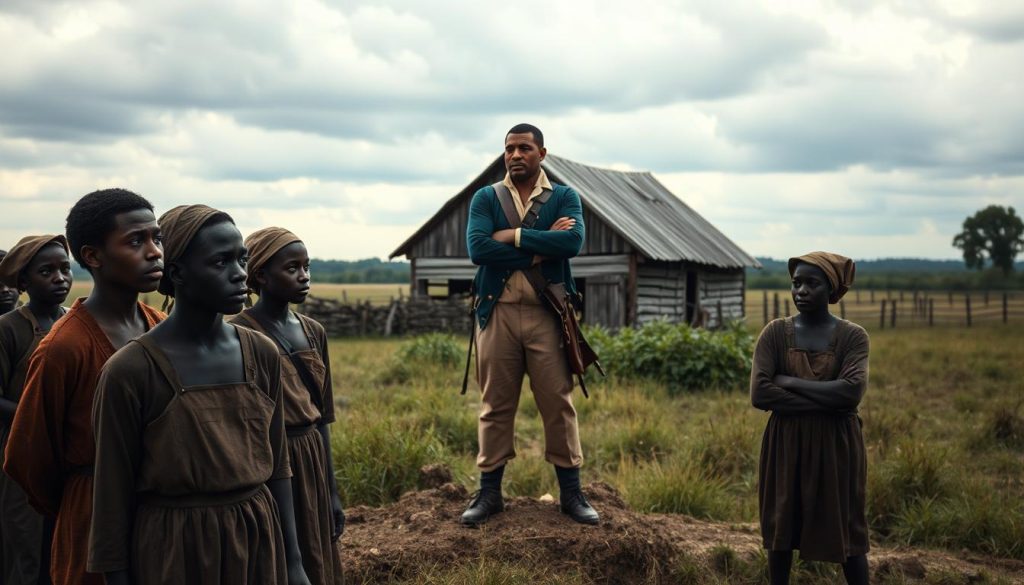
The Revolution changed how we talk about freedom and rights. It made people question the gap between what we say and what we do. This issue deeply affected the new nation and global debates.
During the war, about 500,000 people of African descent lived in the colonies. Ninety percent were slaves when the war ended. Some slaves got freedom by joining the army. Others escaped during the chaos.
This led to more interest in ending slavery in the U.S. and worldwide.
The Revolution’s words made people think about slavery. The Declaration of Independence inspired many to speak out against slavery. Famous figures like Benjamin Rush and Quobna Ottobah Cugoano used these ideals to push for freedom.
But the new Constitution had rules that made slavery legal. It included the three-fifths rule and rules about the slave trade. These rules made it harder to end slavery at the national level.
Many leaders, like Thomas Jefferson, owned slaves but talked about freedom. George Washington freed some slaves in his will. Yet, his life showed the era’s mixed views.
Recent books explore these contradictions.
The Revolution also led to anti-slavery efforts in some places. Northern states passed laws to free slaves gradually. The Haitian Revolution was inspired by these ideas. It showed the power of fighting for freedom.
But, the U.S. kept bringing in more slaves until 1808. The Constitution’s rules made it hard to end slavery. It took later laws, like the Emancipation Proclamation, to change things.
Today, scholars and readers look at old documents to understand the Revolution’s impact. They see how ideals, economics, and politics shaped America’s early years. These debates continue among historians today.
Indigenous Nations During the Revolution
The American Revolution changed the lives of Native Americans across the continent. Many indigenous nations had to make tough choices as British and American forces fought for control. These decisions led to shifting power balances and growing tensions over land and sovereignty.
Alliances were formed for survival and gain. The Haudenosaunee Confederacy, Cherokee, and Creek communities split as leaders picked different sides. Some tribes fought with the British to slow down settler expansion. Others joined the American patriots, hoping for treaties that would secure their lands and rights.
After the war, military campaigns and diplomatic deals changed borders. The new United States wanted to expand, often ignoring Native American claims. Treaties signed then were often revised or broken, leading to loss of lands and resources for many Native Americans.
U.S. policies and doctrines after independence made the nation more assertive. The Monroe Doctrine was a sign of this. This stance affected Native American sovereignty, as leaders like James K. Polk pushed for more territory, leading to more conflict and displacement.
- Strategic alliances altered traditional power networks among tribes.
- Broken promises and renegotiated treaties undermined indigenous authority.
- Westward expansion intensified pressure on Native communities and cultures.
Historians say the Revolution’s choices had lasting effects. It didn’t just reorder colonies; it sped up patterns that eroded Native American autonomy. Readers should understand how alliance decisions during those times influenced legal, social, and geographic changes for Native Americans well into the 19th century.
The Revolution’s Influence on the Caribbean
The American and French revolutions changed how people talked about politics in the Caribbean. Places like Saint-Domingue, with big economic gaps, were hit hard. This was because enslaved people and free people of color started to think about their rights and who should lead them.
Haitian Revolution as a Direct Response
The Haitian Revolution happened from 1791 to 1804. It was sparked by the colony’s wealth and the harshness of slavery. Enslaved Africans, inspired by ideas from North America and France, fought back in a massive slave revolt.
Leaders like Toussaint Louverture used the language of liberty and citizenship. They argued for freedom and the right to govern. This uprising made European powers question their control over the region.
Spread of Revolutionary Ideas
Revolutionary ideas spread quickly in the Caribbean. News traveled through newspapers, ships, and soldiers returning home. Stories from the American and French Revolutions sparked debates about slavery and rights.
This movement didn’t stop at Saint-Domingue. It reached free people of color, enslaved communities, and colonial leaders. It changed local politics and made people think about ending slavery.
The late eighteenth century was filled with stories that shaped rebellions. Military strategies, legal arguments, and diplomacy show how ideas moved across the Atlantic. This changed the political landscape in the Caribbean.
The Revolution and Latin America

The American uprising was a clear example of breaking free from colonial rule. Leaders in Spanish America took note. They saw how military victories, powerful speeches, and new constitutions could challenge empires.
Inspiration for change
Creole thinkers and military leaders studied the Declaration and U.S. state constitutions. They discussed rights, representation, and who should rule when creating new governments. The Mexican Constitution shows how they borrowed ideas.
Material and diplomatic effects
During the early 19th century, North America and parts of Latin America exchanged arms, volunteers, and trade. After the conflict, European priorities shifted. This gave colonial elites a chance to seek more freedom.
Legacy in scholarship
Today’s history books link the American Revolution to Latin America’s independence movements. They show how ideas, resources, and timing led to political changes in the region.
Women in the Revolutionary Era
The American Revolution changed how people thought about citizenship and family. Women went beyond household chores to support the war. The new republic’s language also sparked talks about education and civic duty.
Contributions to the war effort
- Women managed homes and businesses while men were away. They kept farms running and estates safe.
- Daughters of Liberty organized boycotts and spun yarn. They also signed petitions and raised funds.
- Some women followed armies, nursing soldiers and cooking for them. A few, like Molly Pitcher, were known for their bravery.
Shifts in gender roles following independence
- Republican Motherhood became a key idea. It pushed for better education for women so they could raise informed citizens.
- The Revolution’s ideas influenced later debates on voting and legal rights. Thinkers like Mary Wollstonecraft argued for more education and rights for women.
- Even though women’s awareness grew, they didn’t get full legal equality. Yet, they gained influence in civic life.
Many famous women played important roles in this era. Abigail Adams pushed for women’s interests in letters to her husband. Mercy Otis Warren wrote plays and tracts that shaped opinions. Their stories show how personal actions led to big changes.
The American Revolution’s Legacy
The revolution left a lasting impact on politics and public life. Its ideas moved from pamphlets and speeches to laws and institutions. This created models that history books continue to study.
The founding generation turned theory into structures like the Constitution and the Bill of Rights. These documents embedded democratic principles such as separation of powers and individual liberty. Citizens and leaders tested these ideas in courts and legislatures.
Establishment of Democratic Principles
- Popular consent and representative institutions spread from colonial assemblies to state governments.
- Legal guarantees affirmed freedom of religion and speech, reflecting Jefferson’s concept of a wall between church and state.
- Constitutional design introduced checks and balances to prevent concentrated power.
Lasting Influence on Future Revolutions
- Activists abroad cited American language and institutions when pressing for reform or independence.
- French fiscal strain and military commitments during the war helped trigger upheaval in Europe.
- Long-term movements for equality and national self-determination drew on American precedents across the 19th and 20th centuries.
Scholars say the era created lasting political habits and cultural references. History books show how the Declaration of Independence and the Constitution became global templates. These texts helped critics, reformers, and statesmen legitimize change.
The revolution’s outcomes mixed with symbolic power. Territory, trade, and diplomacy grew as the United States matured. Beliefs about rights and governance traveled with people, books, and policies. This left a complex legacy that shapes modern debates about democracy and justice.
Global Responses to the American Revolution
The American Revolution had a big impact on world politics. History buffs and scholars look at how it changed alliances, inspired reforms, and affected indigenous peoples. This part talks about the varied reactions in Europe and the views of native communities around the Atlantic.
Reactions from European Powers
Great Britain fought hard to keep its empire. Later, it negotiated terms to end the war. France, on the other hand, moved from secret help to openly supporting the Continental Army. This choice helped win the war but left France with a lot of debt.
Britain and the United States fought again in the War of 1812. This showed that old tensions were not fully gone. But by the 20th century, they became allies.
Revolutionary ideas spread slowly across Europe. Some rulers tightened their grip to avoid trouble. But reformers in places like Poland and the Dutch Republic found new hope.
Historians often talk about how leaders balanced fear of chaos with the need for change.
Global Native Perspectives
Indigenous leaders were cautious about the new republic. Many saw the expansionist policies as threats to their land and freedom. In North America, groups like the Haudenosaunee had to choose between British and American power.
In the Atlantic world, colonized and indigenous peoples compared the promises with reality. Some saw the value in the language of rights. Others felt left out of the new political scene. These views add complexity to the story of freedom from past events.
The revolution sparked debates from Lisbon to Philadelphia and from Caribbean ports to Native councils. European reactions and global views created a complex legacy. Scholars keep studying this legacy today.
The Revolution and International Law
The American Revolution changed how countries talk to each other. It brought up ideas like people having power and written rules. These ideas started to shape how countries make agreements.
The Declaration of Independence and the U.S. Constitution showed new ways of thinking. They inspired laws in Europe and Latin America. These laws focused on keeping church and state separate and limiting the power of leaders.
Emergence of New Legal Concepts
- The Revolution made it clear that governments get their power from the people. This idea was used in early laws in other countries.
- James Madison and John Adams became important figures in legal education and diplomacy. Their writings helped shape how laws and treaties were made.
- New rules on staying neutral and recognizing countries started to form. This was because of changing views on who has power.
The Impact on Treaties and Diplomacy
- Treaties after 1776 showed how power can shift. The 1778 Treaty of Alliance with France changed alliances and military plans.
- Debts and French help in American affairs affected European diplomacy. This influenced when treaties were made later.
- Diplomats like Benjamin Franklin and John Jay set new standards for making treaties. Their work lasted into the 19th century.
Changes in making treaties affected how countries relate to each other. New words, clear rules, and formal ways of recognizing countries came from these debates.
Legal experts follow the Revolution’s impact through court decisions, treaty texts, and diplomatic letters. This path shows how ideas from one conflict spread into international law and diplomacy.
Continued Relevance of Revolutionary Ideals
The ideas from 1776 are alive today. They shape debates on civic participation, constitutional limits, and universal rights. Students see these ideas in history channel segments and history books.
Modern movements connect to the Revolution’s ideals. Civil-rights campaigns, women’s suffrage, and independence struggles use its language. Activists use past events to push for change and inclusion.
Historians look at these connections to learn about democracy. They say ideas alone don’t bring change. Material inequalities, political organization, and laws are key to lasting reforms.
History books show both successes and setbacks. Some early victories needed later corrections. Leaders like abolitionists and suffragists kept pushing for equal rights.
- Lesson one: Rights must be institutionalized, not just proclaimed.
- Lesson two: Broad participation strengthens democracy.
- Lesson three: Clear laws protect against backsliding.
History channel and academic journals highlight both continuity and change. Revolutions offer templates for future movements. Studying past events is vital for today’s reforms.
Conclusion: A Lasting Global Influence
The American Revolution changed many things. It shaped politics, society, economy, and military. It also set a model for governments and freedom.
This event created the United States and changed its relationship with Great Britain. It also led to the country’s expansion westward. Many history books highlight these points, showing their importance in modern history.
Leaders like George Washington and Thomas Jefferson inspired others worldwide. Their ideas influenced movements in Europe, Latin America, and the Caribbean. The Declaration of Independence and the U.S. Constitution became key references for these changes.
But the Revolution had its challenges too. Issues like economic inequality, slavery, and the treatment of Native Americans are important lessons. These topics are found in primary sources and history books, shaping today’s discussions.
This shows that the Revolution’s ideas are as relevant today as they were back then. Scholars and citizens continue to work towards realizing its full promise.